

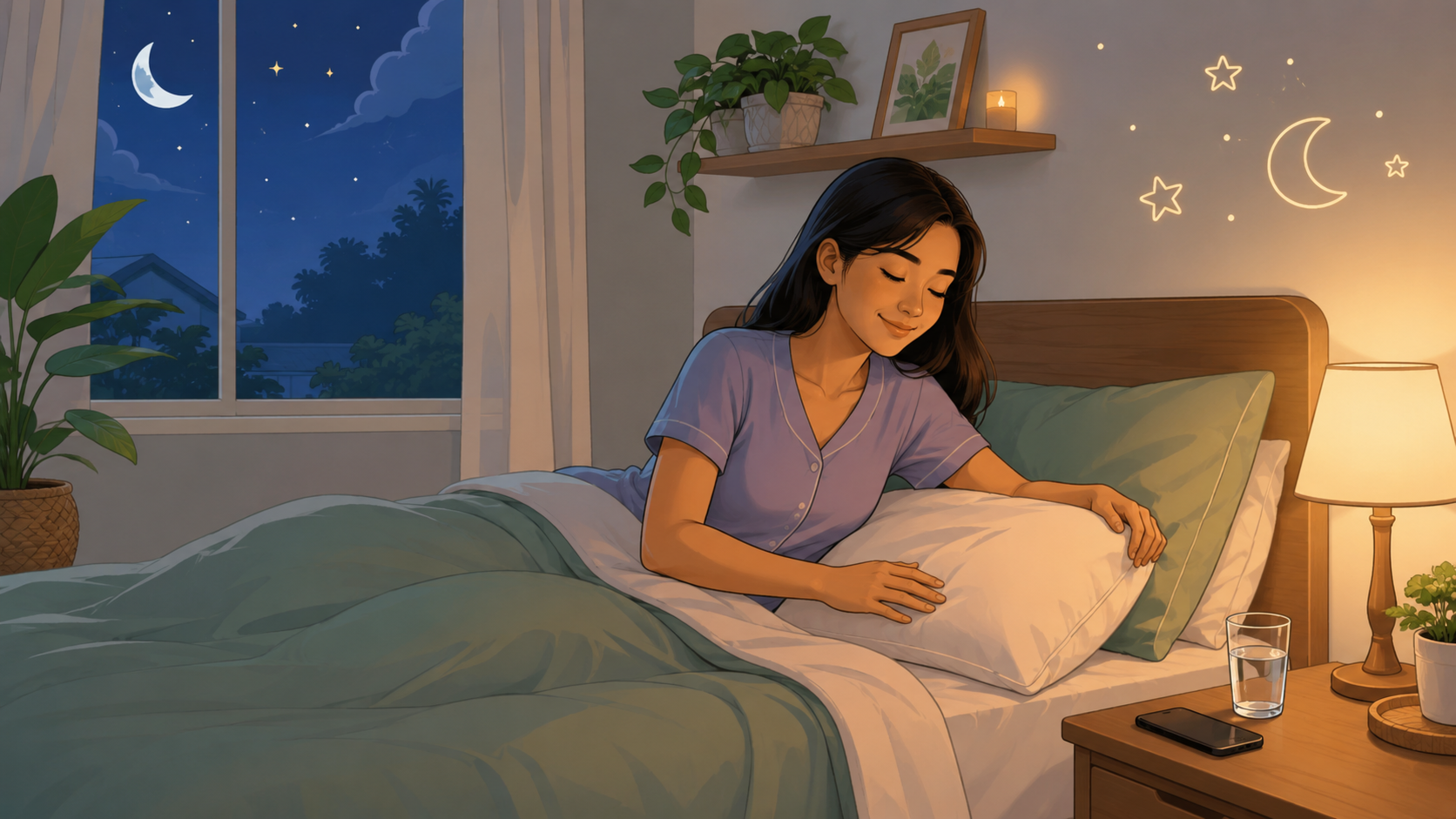
A good night’s sleep is not only about feeling less tired the next morning. Sleep supports everyday concentration, mood, recovery and overall health, and healthy sleep habits are worth treating as part of your regular wellness routine.
For many people, better sleep does not begin with a complicated solution. It begins with making the evening more predictable, reducing stimulation and giving the body enough time to wind down.
Start With a Consistent Sleep and Wake Time
One of the simplest sleep-hygiene habits is also one of the easiest to overlook: try to go to bed and wake up at roughly the same time each day.
A consistent routine helps your body recognise when it is time to become alert and when it is time to slow down. Large changes between weekdays and weekends may make that rhythm harder to maintain.
You do not have to make your routine perfect overnight. Start by choosing a realistic wake-up time and work backwards so that you allow enough opportunity for sleep.
How Much Sleep Do Adults Need?
Sleep needs vary between individuals and change with age, but most adults should generally aim for at least seven hours of sleep each night. Many adult sleep recommendations use a range of around seven to nine hours.
How you feel during the day also matters. Regularly waking unrefreshed, struggling to stay alert or having persistent difficulty falling or staying asleep deserves attention even if you appear to spend enough hours in bed.
Move Your Kopi or Teh Earlier
Coffee, tea, chocolate and some other drinks or foods contain caffeine, which can increase alertness and may interfere with falling asleep or staying asleep in people who are sensitive to it.
If you regularly enjoy kopi, teh or other caffeinated drinks, consider moving them earlier in the day when sleep has been difficult. Malaysia’s Ministry of Health sleep-hygiene guidance specifically advises controlling caffeine intake and avoiding late caffeine when it is contributing to sleep problems.
Caffeine sensitivity varies, so notice how your own sleep responds rather than assuming the same timing works for everyone.
Make the Bedroom Feel Like a Place for Sleep
A bedroom that is comfortable, quiet, reasonably dark and cool can make it easier to settle down.
Try reducing bright light as bedtime approaches. If possible, keep televisions, work and prolonged phone scrolling away from the bed so that your brain has fewer reasons to remain alert.
A simple routine might look like this:
- Dim the room lights.
- Put the phone on charge away from the pillow.
- Prepare tomorrow’s essentials so you are not thinking about them in bed.
- Take a shower, read something relaxing or spend a few minutes breathing slowly.
- Keep the bedroom comfortable and quiet.
Give Your Mind a Short Wind-Down Period
It can be difficult to move directly from work messages, social media, household responsibilities or stressful conversations into sleep.
Instead, create a short transition period before bed. It does not need to take an hour. Even ten to twenty minutes of quieter activity can help separate the busy part of the day from bedtime.
Useful options may include gentle breathing exercises, meditation, a warm shower, light reading or simply sitting quietly without a screen.
Exercise During the Day, Then Slow Down at Night
Regular physical activity is an important part of a healthy lifestyle and can also support sleep quality.
If intense late-night exercise leaves you feeling too alert to sleep, experiment with moving harder exercise earlier in the day and keeping evening movement gentler. Light stretching or other relaxing activity may suit the final part of the evening better.
Watch Very Heavy Late-Night Meals
A large meal immediately before bed can feel uncomfortable for some people and may make settling down more difficult.
When possible, give yourself some time between a heavy dinner and lying down. If you genuinely need a small evening snack, keep it sensible rather than turning bedtime into another full meal.
The goal is not to create rigid food rules. It is simply to notice whether your usual evening eating pattern is helping or disturbing your sleep.
Do Not Judge Your Health From One Bad Night
Poor sleep is associated with several aspects of long-term cardiovascular and metabolic health, including blood pressure and blood glucose regulation. However, one restless night does not diagnose a health problem.
If you monitor health measurements at home, avoid reacting too strongly to one isolated reading. Look at patterns over time, follow the device instructions carefully and discuss repeatedly unusual results with an appropriate healthcare professional.
When Sleep Problems Need More Than a Bedtime Routine
Occasional poor sleep is common. Persistent difficulty falling asleep, repeatedly waking during the night, waking much earlier than intended or feeling unusually tired during the day may require further assessment.
Malaysia’s Ministry of Health advises seeking appropriate healthcare assessment when insomnia begins to interfere with daily or psychosocial functioning.
Sleep difficulties can have many possible causes, including stress, medications, pain, breathing problems, mental health conditions, shift work and other medical issues. A bedtime routine can help healthy sleep habits, but it cannot identify or treat every cause of disturbed sleep.
A Simple Tonight Checklist
- Choose a realistic bedtime and tomorrow’s wake-up time.
- Keep late caffeine to a minimum if it affects your sleep.
- Dim the lights and reduce phone use before bed.
- Keep the bedroom comfortable, cool, quiet and dark.
- Avoid turning bedtime into work time.
- Use a short relaxing routine to help your body slow down.
- Give yourself enough opportunity for at least seven hours of sleep.
The Takeaway
Better sleep often comes from several small habits working together rather than one perfect trick.
Start with consistency. Move stimulating activities earlier, make the bedroom calmer and give yourself a short period to wind down. Then pay attention to how you feel during the day and adjust gradually.
ISAW Health Note: This article is for general health education and does not diagnose or treat insomnia, sleep apnoea or any other medical condition. If sleep problems are persistent, worsening or interfering with normal daytime activities, seek advice from an appropriate healthcare professional.